Nuts: Health Benefits, Nutrition Facts, and How to Enjoy Them Every Day

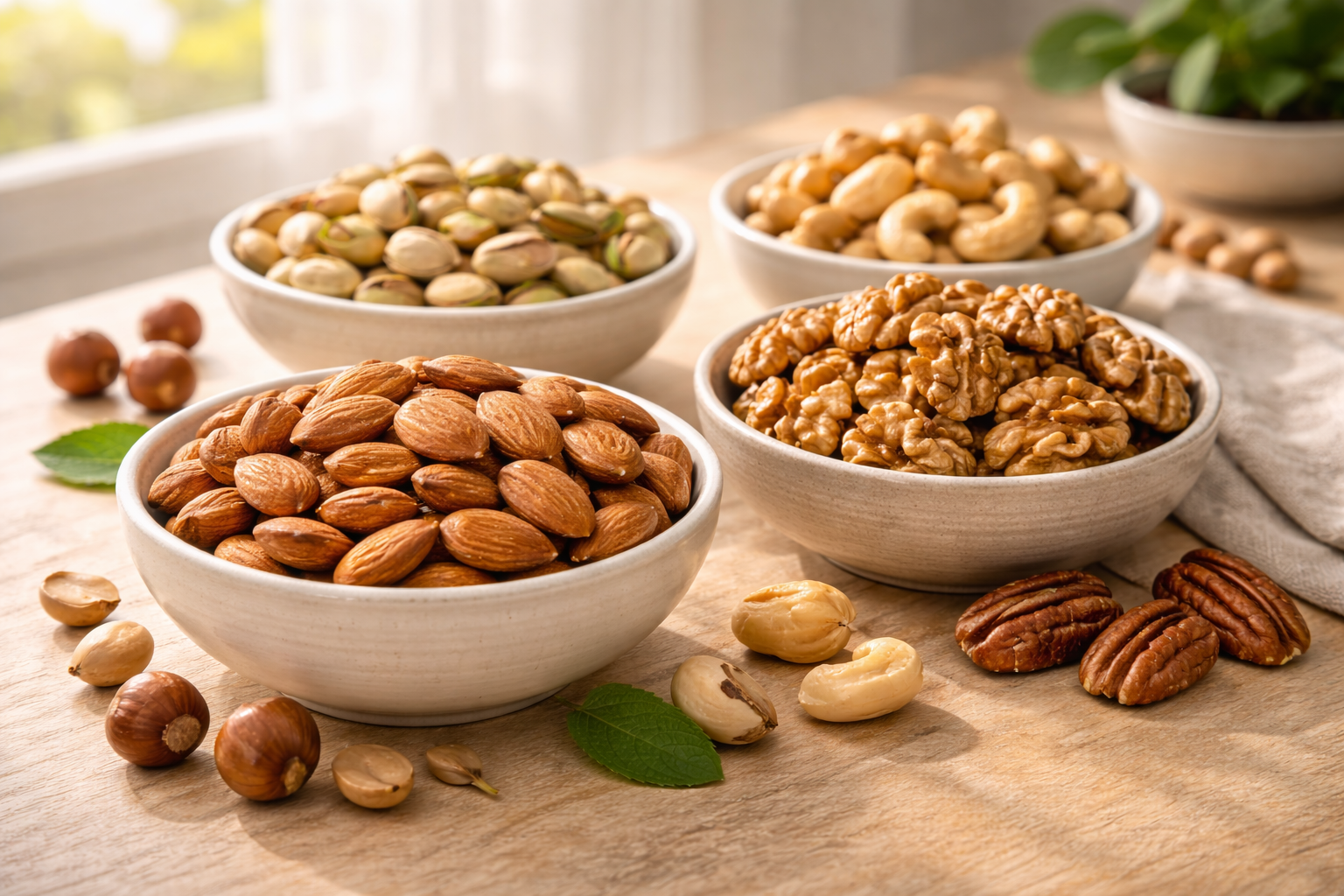
Nuts: Health Benefits, Nutrition Facts, and Best Ways to Eat Them
Meta Description: Discover the health benefits of nuts, nutrition facts, the best nut types, and smart serving tips for a heart-healthy daily diet.
Nuts are one of those foods that feel almost too easy to be “healthy.” They’re crunchy, satisfying, and incredibly convenient—perfect for desk drawers, gym bags, road trips, and quick snacks between meetings. In the U.S., nuts have become a go-to for everything from trail mix and snack packs to almond butter and plant-based milks.
But because nuts are calorie-dense, people often wonder: Are nuts actually good for you? The research-backed answer is yes—when portions are reasonable and you choose high-quality options. Let’s break down nuts nutrition, the proven health benefits of nuts, and the best ways to enjoy them daily.
What Are Nuts?
Nuts are edible seeds (often with hard shells) that grow on trees or shrubs. Nutrition-wise, they’re rich in unsaturated fats, plant protein, fiber, and important micronutrients. Botanically, a few popular “nuts” aren’t true nuts (for example, almonds are technically drupes and peanuts are legumes), but they’re grouped together because they’re nutritionally similar.
Nuts Nutrition (Typical Values Per 1 oz / 28g)
Nutrition varies by type, but a 1-ounce serving (about a small handful) generally looks like this, based on USDA listings for common nuts:
| Nutrient | Typical Range (per 1 oz / 28g) |
|---|---|
| Calories | ~160–200 kcal |
| Total Fat | ~14–18 g |
| Protein | ~5–7 g |
| Carbohydrates | ~4–7 g |
| Dietary Fiber | ~2–3 g |
| Magnesium | ~20–45 mg |
| Potassium | ~180–220 mg |
| Vitamin E (varies) | ~2–7 mg |
Source note: These are typical ranges; exact values differ by nut type. For precise numbers, check the specific nut in USDA FoodData Central.
Health Benefits of Nuts (What Research Consistently Supports)
1) Heart Health Support
One of the most studied benefits of nuts is cardiovascular health. Many nuts are rich in unsaturated fats, which are associated with healthier cholesterol levels when they replace saturated fats in the diet. Nuts also contribute minerals and plant compounds that support overall heart health.
2) Better Satiety (They Help You Feel Full)
Nuts combine healthy fats, protein, and fiber—a trio that tends to keep you satisfied longer than refined snacks. If you’ve ever swapped chips for a handful of pistachios and noticed you’re not hungry an hour later, that’s the satiety effect at work.
3) Blood Sugar-Friendly Pairing
Because nuts slow digestion, they can help “buffer” blood sugar spikes when eaten with carbohydrate-rich foods. A practical example: adding walnuts to oatmeal or almonds to fruit can make that snack more balanced.
4) Anti-Inflammatory Nutrients
Different nuts offer different protective compounds. Walnuts, for example, contain plant-based omega-3 fats, while almonds contribute vitamin E. These nutrients are linked with antioxidant and anti-inflammatory effects in the body.
5) Long-Term Wellness (Associations in Large Studies)
Large observational studies often find that people who eat nuts regularly tend to have better long-term health outcomes, including lower risk of heart disease. This doesn’t mean nuts are magic—it means they’re a strong “upgrade” when they replace processed snacks.
Popular Types of Nuts in the U.S.
- Almonds: great vitamin E source; easy snack and good in salads.
- Walnuts: known for omega-3 fats; excellent in oatmeal and baking.
- Pistachios: satisfying, often eaten in-shell (which may slow snacking).
- Cashews: creamy texture; great for sauces and dairy-free recipes.
- Pecans: rich and buttery; common in desserts and salads.
- Hazelnuts: aromatic, often used in spreads and baking.
- Brazil nuts: very high in selenium—small servings matter.
- Peanuts (technically a legume): affordable and protein-rich like many nuts.
Best Ways to Eat Nuts (Real-Life Ideas)
The easiest way to make nuts work for your goals is to use them as a “nutrient booster” and a snack upgrade:
- Add chopped nuts to oatmeal, yogurt, or cottage cheese.
- Top salads with walnuts, almonds, or pecans for crunch.
- Make a simple snack: nuts + fresh fruit.
- Use nut butter on toast (look for “nuts only” ingredients).
- Blend cashews into sauces for a creamy texture without heavy cream.
How Many Nuts Should You Eat Per Day?
A common serving size is 1 ounce (28g)—roughly a small handful. That’s usually enough to get benefits without turning nuts into a calorie overload.
Simple portion guide
- About 23 almonds
- About 14 walnut halves
- About 49 pistachios (shelled)
Note: counts vary by size and brand. Use them as a general reference.
How to Choose Nuts (Shopping Tips)
- Prioritize unsalted or lightly salted for everyday use.
- Avoid sugar-coated nuts as your “daily” option.
- Watch flavored blends (they can be high in sodium or added oils).
- Check ingredient lists—ideally: “nuts.”
- Store smart—nuts can go rancid; freshness matters.
How to Store Nuts
- Keep nuts in an airtight container away from heat and sunlight.
- For longer freshness, store in the refrigerator.
- Freeze bulk nuts if you buy large bags (they thaw quickly).
FAQ: Nuts Health Benefits
Are nuts healthy for weight loss?
They can be. Nuts are calorie-dense, but they’re also filling. Many people find that a measured portion helps reduce cravings for less nutritious snacks.
Are salted nuts bad for you?
Occasionally is fine, but daily heavy sodium intake isn’t ideal. For everyday snacking, choose unsalted or lightly salted nuts.
Are roasted nuts less healthy?
Dry-roasted nuts are generally fine. Be cautious with oil-roasted nuts that contain added oils or high sodium.
Are nut butters healthy?
Yes—when the ingredient list is simple (nuts, maybe salt). Many popular options add sugar and oils, so label reading matters.
Are nuts safe for kids?
Nuts can be a healthy food for kids, but whole nuts can be a choking hazard for young children, and allergies are a serious concern. Follow age-appropriate guidance and your pediatrician’s advice.
Conclusion / Takeaway
Nuts are one of the most nutrient-dense foods you can keep on hand. When you choose mostly unsalted options and stick to a reasonable serving, nuts support heart health, help you feel full, and add protein and fiber to your diet. Treat them as a daily upgrade—not an unlimited snack—and they fit beautifully into a balanced lifestyle.